
Understanding Anxiety in Children
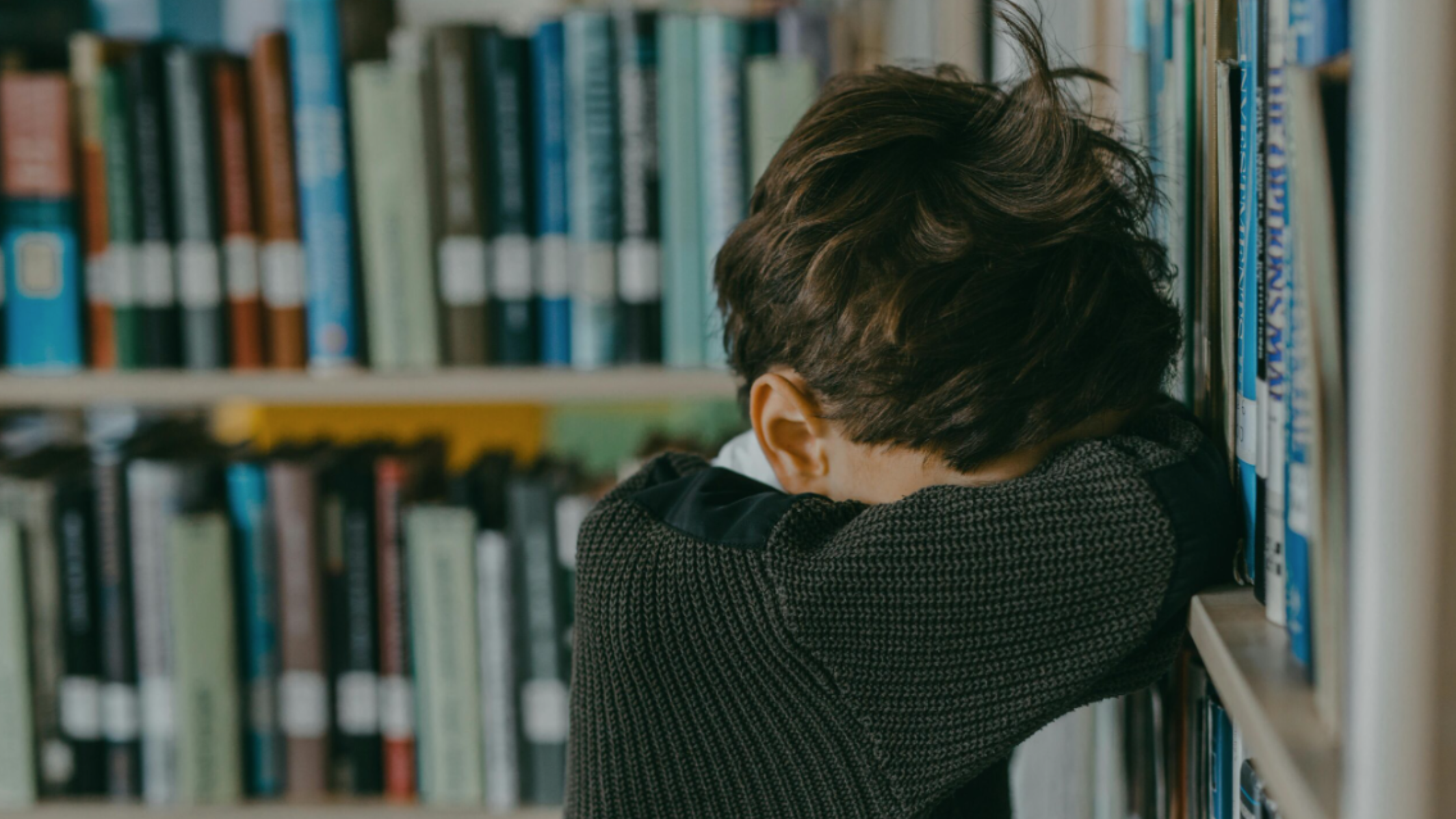
Introduction
Everyone experiences anxiety from time to time. Anxiety can be described as a feeling of intense worry or fear, and it is a natural response when we are faced with threatening or challenging situations. Usually, anxiety comes and goes. However, when it becomes persistent or begins to interfere with day-to-day functioning, it may be a sign that additional support is needed.
The Role of Parents
Parents play an essential role in helping children manage anxiety. This begins with developing a clear understanding of what anxiety is, why it occurs, and how to recognise it. When parents share this understanding with their child, it can help to normalise the experience, reduce fear, and build strong coping skills.
Understanding Anxiety
The Fight/Flight Response
Anxiety stems from a part of the brain called the amygdala, which is responsible for activating the fight/flight response. This system helps keep us safe by sending “fuel” to our muscles in the form of adrenaline and cortisol. With this fuel, our bodies become stronger and faster, increasing our chances of survival when faced with danger.
The Fight/Flight Response and Anxiety
Our ancestors relied on this response to survive life-threatening dangers such as predators, hunger, and disease. Today, the dangers we face—relationships, school stress, work pressures, finances—are often not life-threatening. Despite this, the amygdala still responds as if they are. It activates the same fight/flight system, sending unnecessary fuel to our muscles. When the body doesn’t use this fuel, it accumulates and creates the uncomfortable sensations we recognise as anxiety.
Recognising the Signs of Anxiety
Anxiety affects the body, behaviour, and thoughts. While symptoms vary from person to person, the most common are outlined below.
1) Physiological Symptoms
These symptoms arise because the body is reallocating resources to prepare for action. They may include:
- Dizziness or fuzzy thoughts: Blood moves away from the brain toward major muscles.
- Dry mouth: Digestion slows down, reducing saliva production.
- A lump in the throat: Muscles tighten in preparation.
- Rapid breathing: Increases oxygen supply.
- Rapid heartbeat: Pumps blood faster to the muscles.
- Sweating: Helps cool the body.
- Tingly hands or feet: Blood shifts to larger muscle groups.
- Butterflies in the stomach: Blood moves away from the digestive system.
- Urgency to use the toilet: Tightened abdominal muscles place pressure on the bowel or bladder.
- Tense muscles: The body stays ready for quick movement.
2) Behavioural Symptoms
These behaviours are outward signs of a brain trying to protect itself and reduce discomfort. They may include:
- Avoidance: Staying away from situations, people, or tasks that cause worry.
- Reassurance seeking: Asking repeated questions to feel safe or noticed.
- Restlessness or fidgeting: Attempting to release some of the body’s built-up energy.
- Overreacting or over-apologising: Trying to gain safety through social support.
- Difficulty sleeping: A body prepared for threat struggles to wind down.
3) Cognitive Symptoms
Anxiety is often reinforced by unhelpful thinking patterns that overestimate threat and underestimate coping ability. These can include:
- Catastrophising: Expecting the worst-case scenario (e.g., “I’ll fail and everyone will laugh”).
- Fortune telling: Predicting negative outcomes as certain (e.g., “Something bad will happen”).
- Emotional reasoning: Believing that feeling scared means there is real danger (e.g., “I feel afraid, so it must be unsafe”).
- Mental filtering: Focusing only on negative details while ignoring positive or neutral ones.
Conclusion
Anxiety is a protective system designed to keep us safe—but sometimes it becomes overactive. Parents can play a powerful role by helping children understand what anxiety is, why it happens, and how to recognise the signs. When children learn that anxiety is a normal response, it reduces the fear surrounding it and supports the development of healthy coping skills.